
Disaster Risk Reduction (DRR) and Climate Change Adaptation (CCA) aims to build resilient communities, reduce vulnerability, and strengthen climate smart development activities. As part of this, ICDO-Lalitpur will continue to be active in strengthening local and district level actors, building their capacity to prepare for disasters according to their context and environment. The main emphasis will be on building the capacities of communities while also reaching out to inform and build capacity of duty-bearers who support communities in preparing for disasters and in managing and mitigating risks. In this community focus initiative, ICDO-Lalitpur continues to enhance the active participation of women, children, people with disabilities and other vulnerable groups.
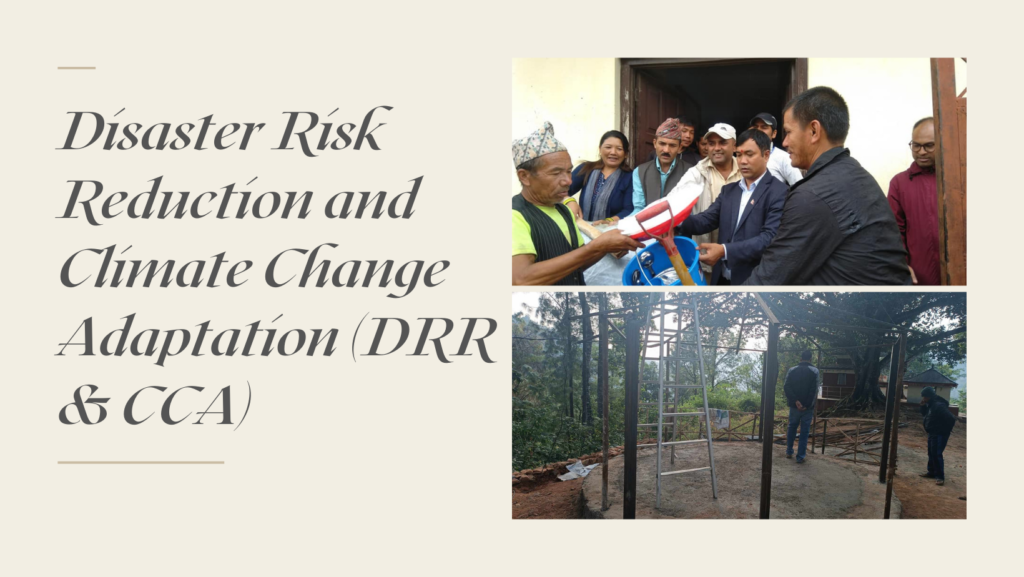
Climate change is a global issue with local consequences. However, it needs global collaboration and national commitment to combat its ill effects. Poor countries like Nepal are bearing the burden of climate change consequences, who are never, part of or the cause. The climate change vulnerability is a major concern for Nepal due to low economic status, limited infrastructure development and poor adaptive capacity. Climate change is likely to influence the livelihood and ecosystem negatively and subsequently to other systems. It is an urgent need for both national and local government to focus on programmes that build the adaptive capacity of communities and ensures ecosystem resilience. This programme will promote technologies and innovations that will facilitate communities to better adapt.
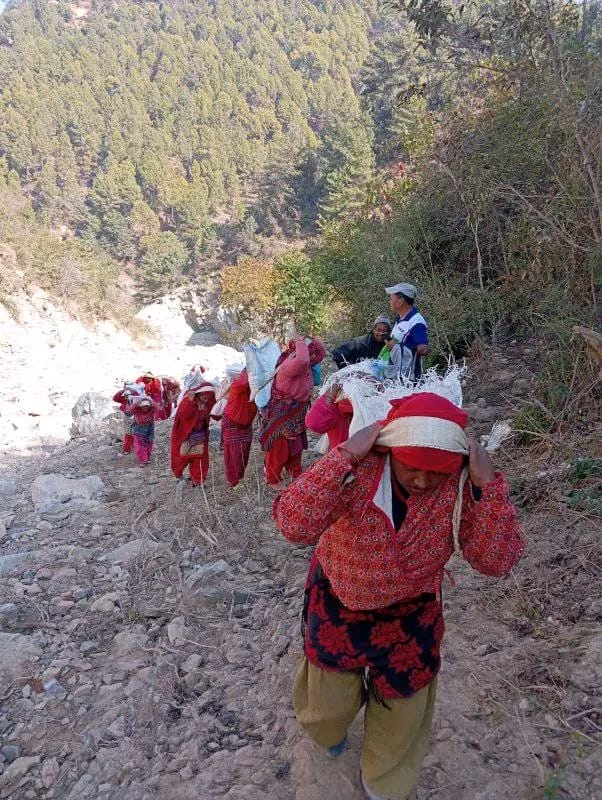
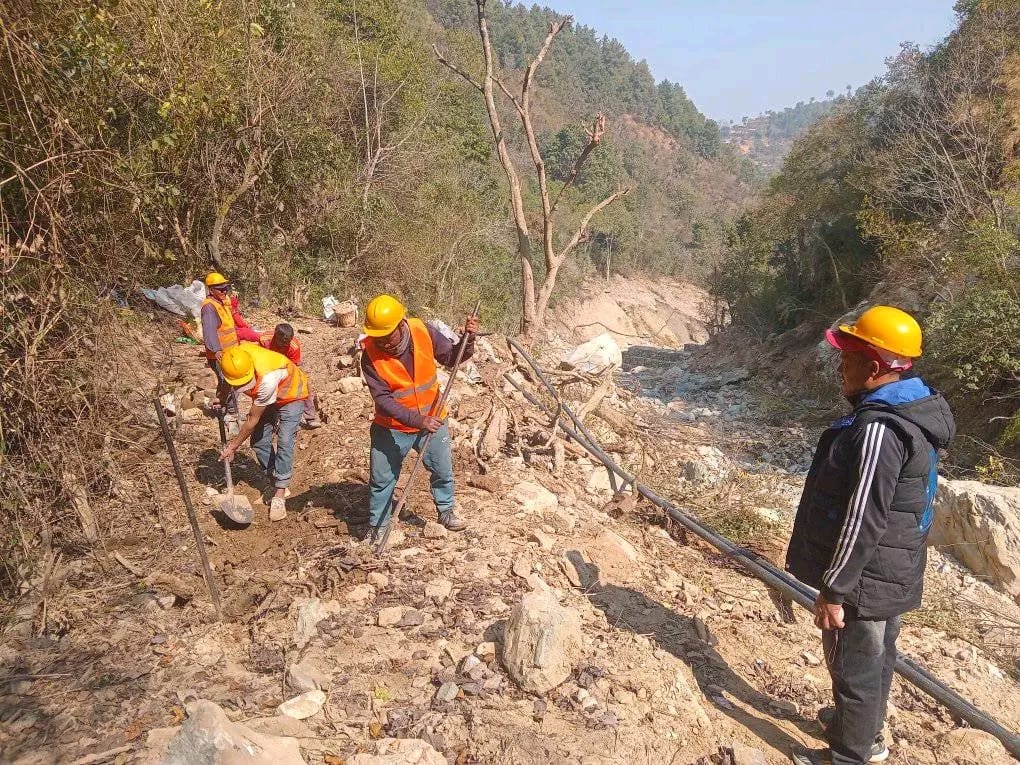
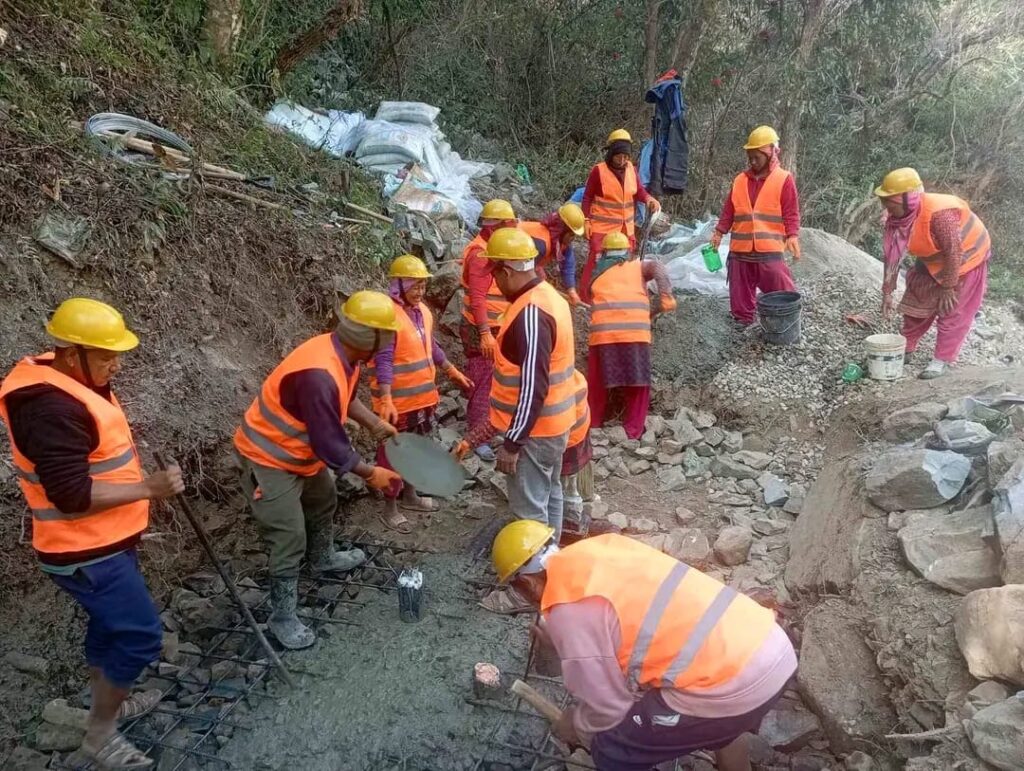
Major programme
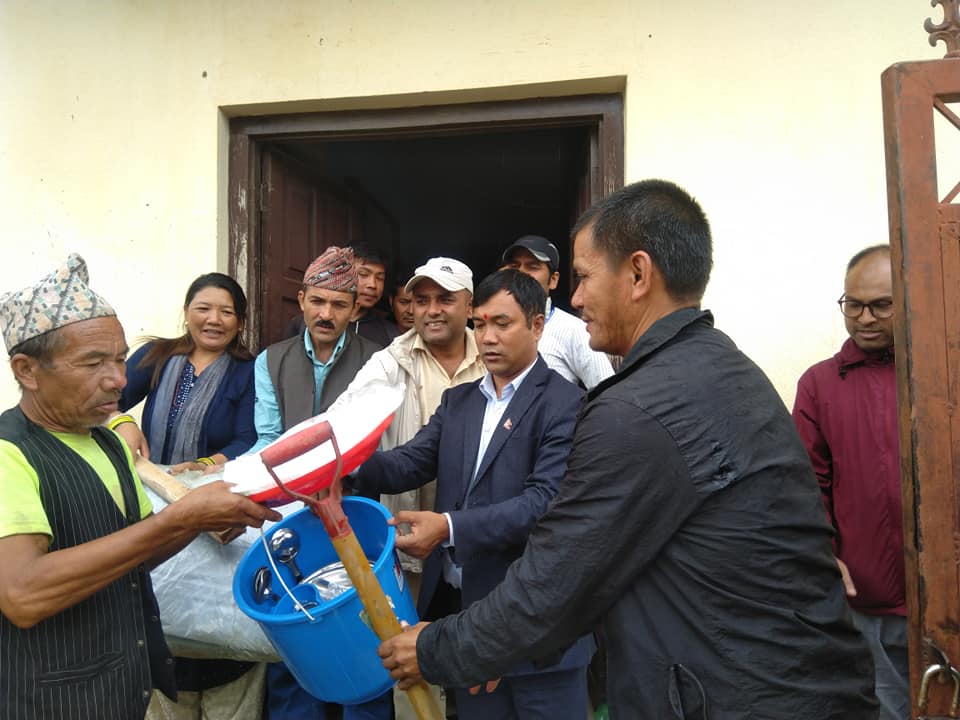
· Support for shelter assistance
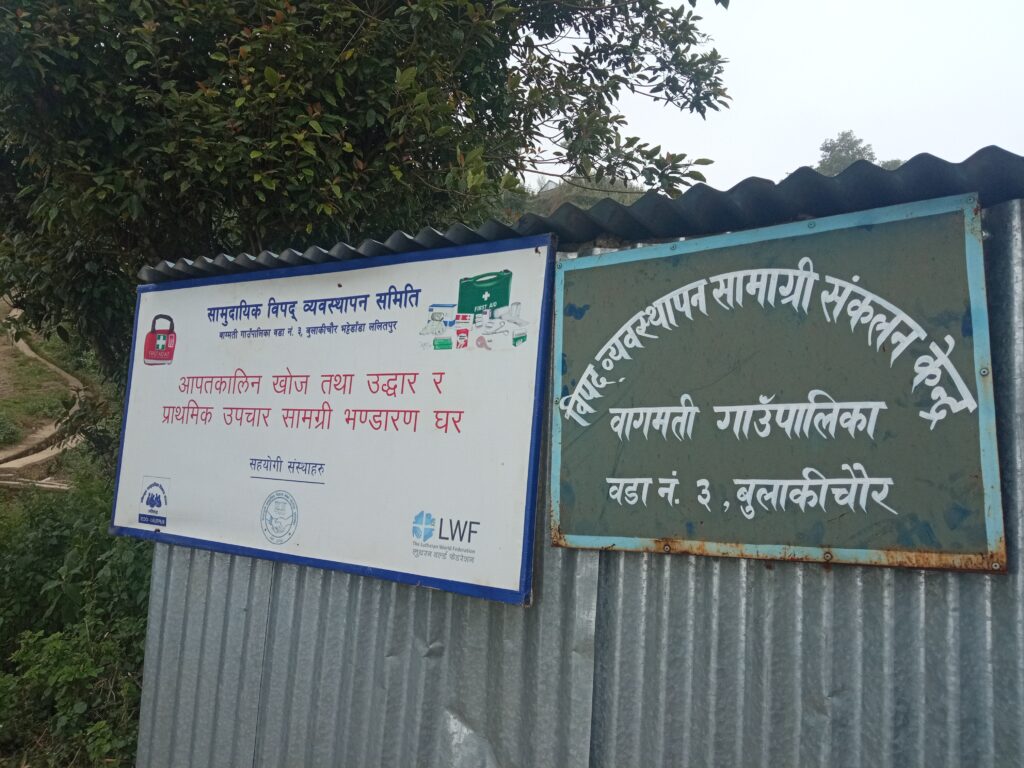
· Train volunteers & staffs for emergency work
· Technical support in preparing & updating local disaster risk management plan.
· Support to develop DRR/ER plans and capacity assessment.
· Awareness raising/orientation/training in disaster preparedness and risk reduction measures.
· Support group/cooperative/CBO in establishing & mobilizing seed bank, grain bank, emergency fund.
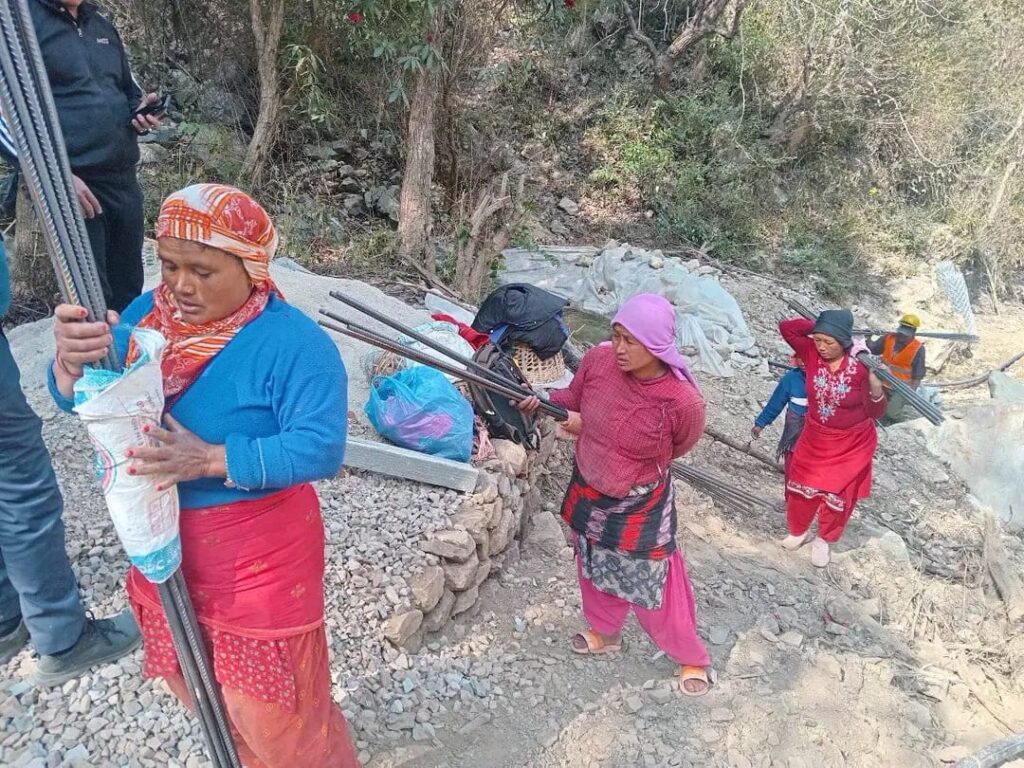
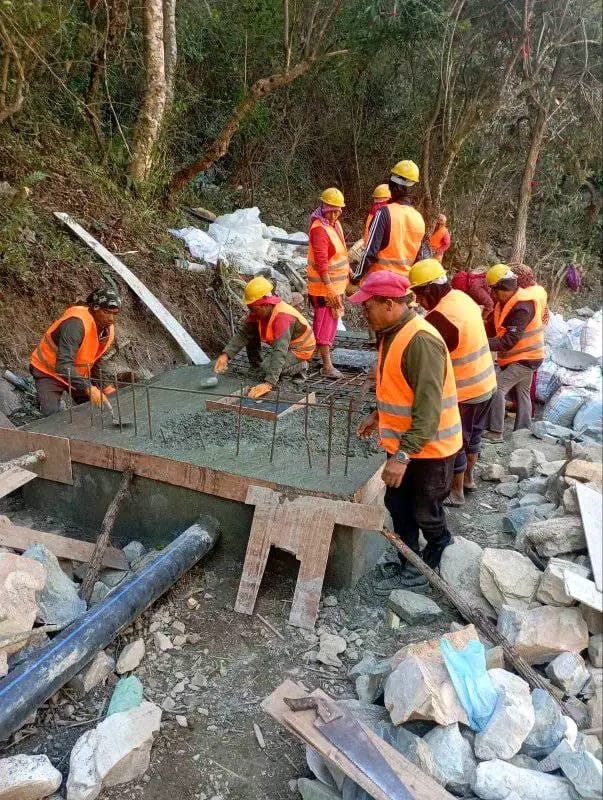
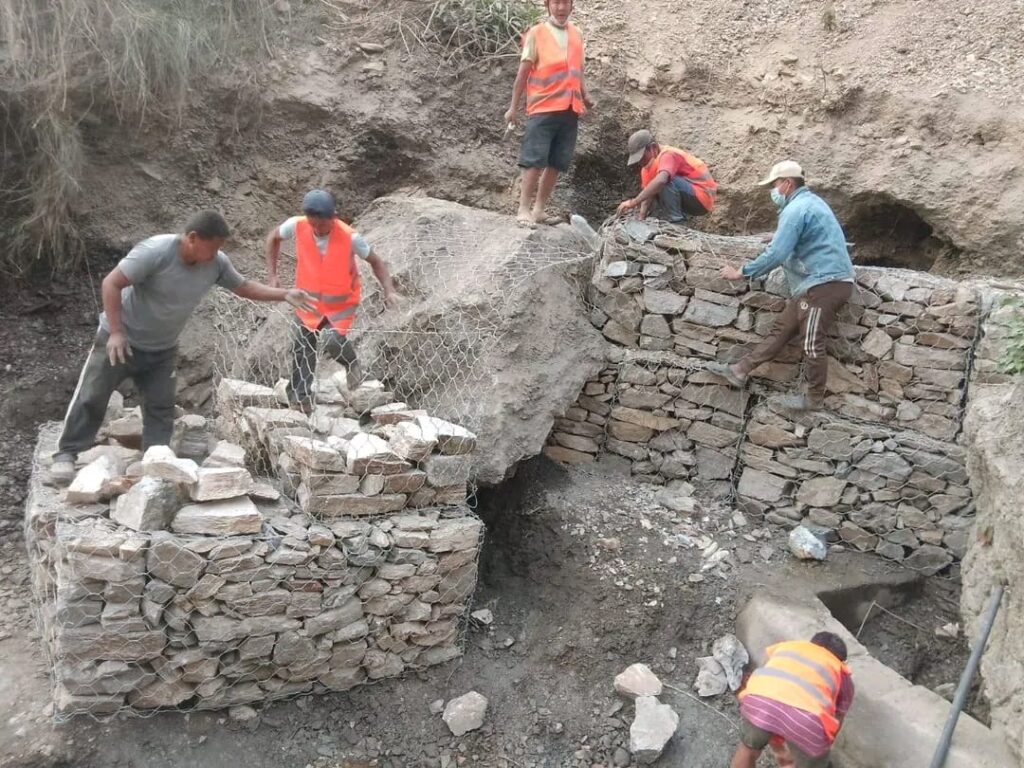
· Establishment of safety nets and construction of mitigation schemes
· IEC materials publication and distribution
· Support and develop climate field schools, adaptation strategy for livelihood assets.
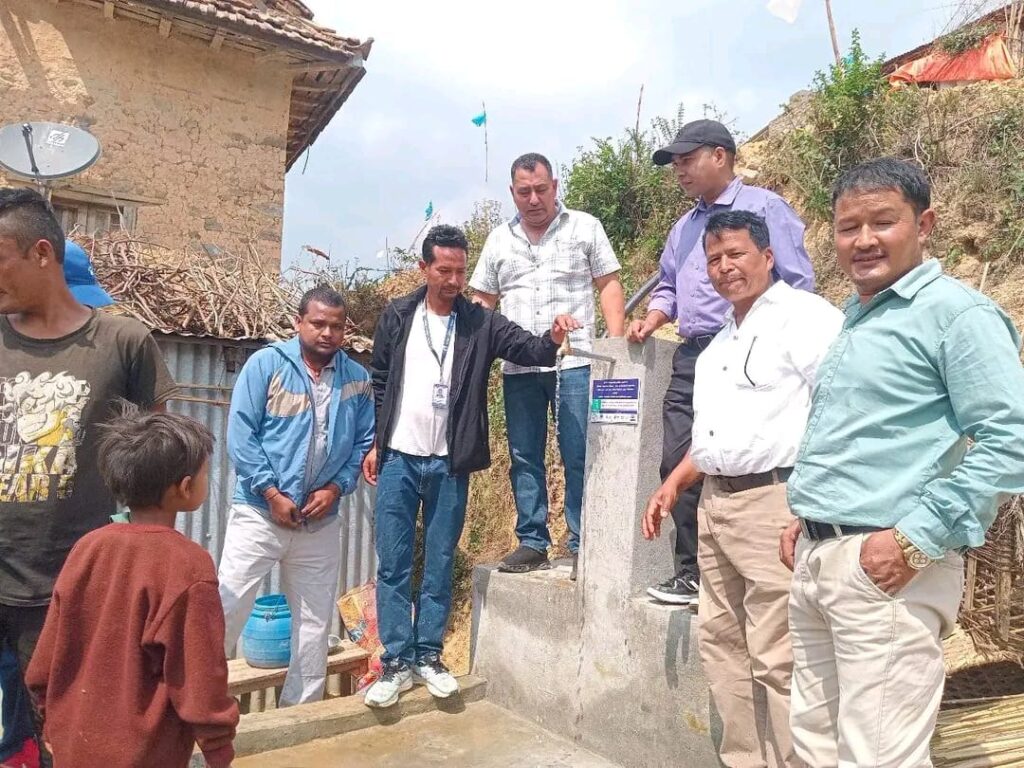
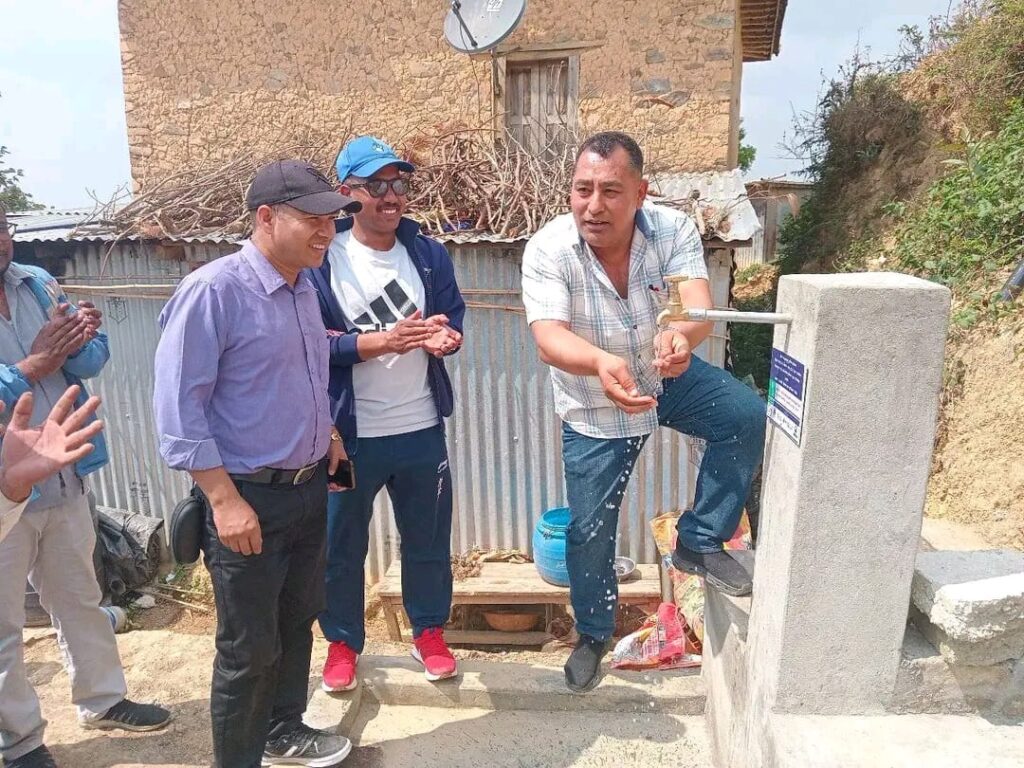
· Restoration of Community Assets affected by disaster like intake, drinking water and others
· Relief and recovery operation
· Support for rehabilitation of Emergency Salters